Postcard no. 4 — Postmark Paris, France 1894

Postcard no. 4

Postmark Paris, France 1894
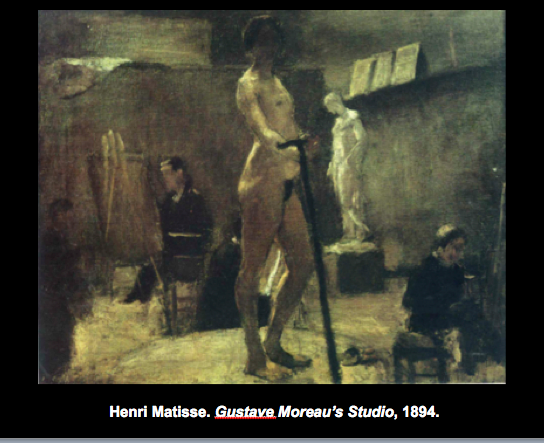
 

matisse moruea studio


“We’d heard that La Lune was exerting her influence in the art world. To see for ourselves we went to an art class at Beaux Arts today, taught by Gustave Moreau, who might be the one of the greatest magicians in all of Paris.


Moreau’s paintings are rich, detailed and mesmerizing. They say he’s become more eccentric as his work has become more popular. His students are some of the most promising in all of Paris. It’s whispered they are a cult and believe angels come to inspire them.


After the class, we visited the gallery that sells his work. The owner said that since the master’s paintings had taken a darker turn there were even more in demand.


When asked why there had been a change, he said he didn’t know but that one of Moreau’s students, Sandrine, knew. And he wished us luck, saying she had never talked about her days with him.
We knew who we were looking for. Sandrine! She was everywhere. She was nowhere. Would we ever find her?”


Pre-order here.
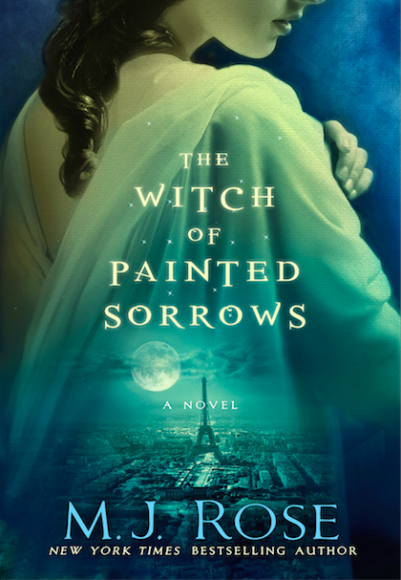
WOPS


Share

Postcard no. 3 — Postmark Paris, France 1894

Postcard no. 3
Postmark Paris, France 1894


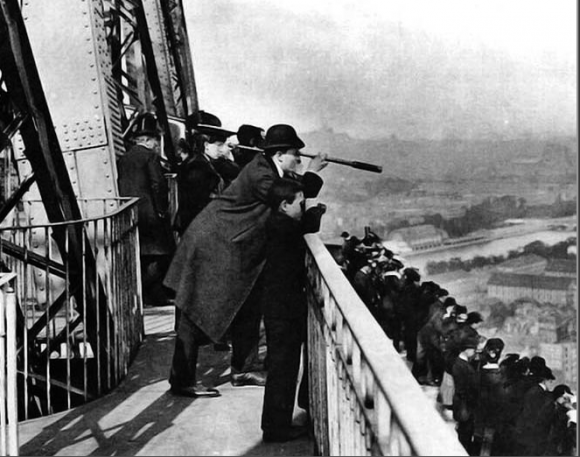
eifeltower


“Following the trail of La Lune’s legend, we visited the Eiffel tower today. And learned there had been a tragic accident there earlier. It was the third such tragedy that year. We tried to imagine the tower without all the police and the reporters.


Cold, windy, rainy, there was nothing beautiful about the view. Instead it suggested an uncontrolled nastiness unleashed on Paris.


One of the reporters said there were witness who claimed that the elevator had stooped working ten minutes before the accident. Another said an elderly woman had stood close to the railing and laughed, shouting out at the sky, shrieking: “La Lune is shining, La Lune is shining.”


Beside us someone whispered that Sandrine knew what had happened. If we could find her we hoped Sandrine could explain this too. Even if she has never told anyone. Until now.”


Pre-order here.

WOPS


Share

Death Becomes Her

Beauty is skin deep – but sometimes the treatments seep in…


mcbhwsb1oeonufwfrcmo


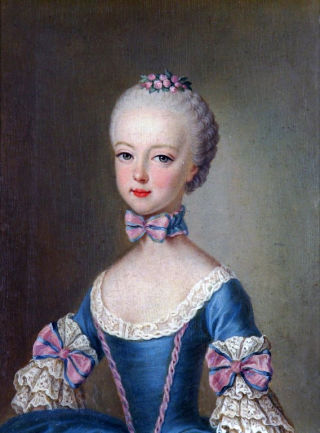
One Of The Hazards Of The 1700s Was Death By Rouge

by Esther Inglis-Arkell (http://io9.com)


“The late 1700s were not known for their long life-expectancy. One of the many sources of death, at the time, was a nasty little thing with the incongruously pleasant name of “cinnabar.” We’ll show you how fashion trends combined with chemistry to kill people off.


No one puts on make-up for their health. In the 2000s, fashion regimes involve injecting poison into the face. In the early 1900s, make-up would sometimes blind women and occasionally cover them with radium. In the 1800s, arsenic-based make-up and tonics would shrink down women’s capillaries and, at times, poison them.


It was in the 1700s that people really went to town. The standards of the day were different. Women liked dark lashes and eyebrows, so they’d darken their facial hair with soot. Other than that, they wore very little eye make-up. They also didn’t go overboard with the lips. It was the skin that they concentrated on. If you’ve ever seen horror movies involving creepy porcelain dolls with chalk-white skin and dark red splotches on their cheeks, you’ve seen the last remnant of the fashion of the 1700s. Women painted their faces pure white with Venetian ceruse, which was made by mixing lead with vinegar. Because make-up was expensive, and washing wasn’t considered healthy, they wore this lead until it wore off, sometimes for weeks. (Some ladies at this time also came up with the pre-cursor to botox, an enamel-like coating that stiffened parts of their faces and didn’t allow their skin to wrinkle.)…”


For the rest, click here.


Share

« Previous PageNext Page »